

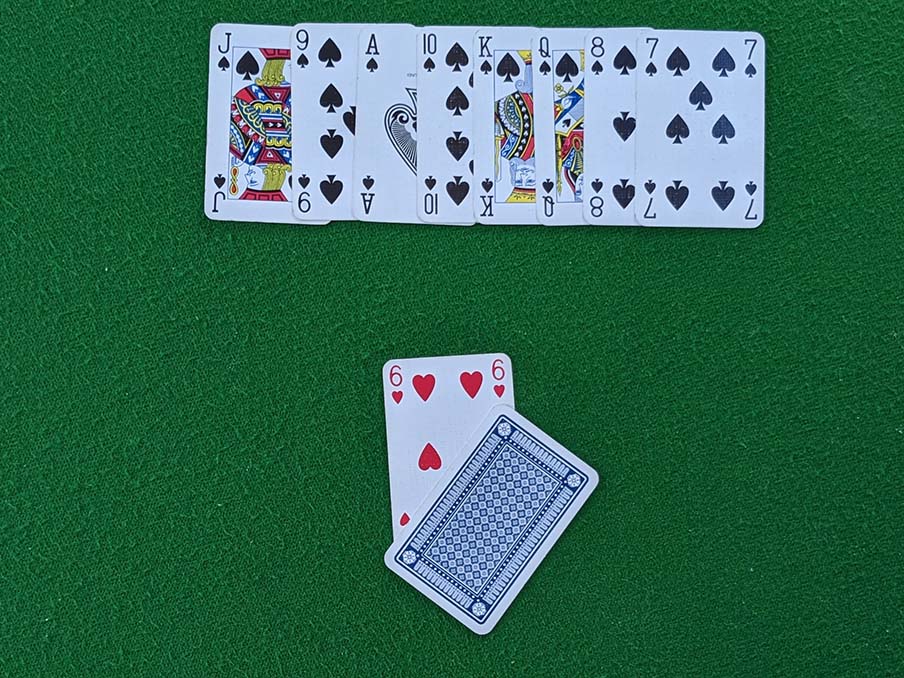
Card games have been a beloved pastime for centuries, offering entertainment, strategy, and social connection. Whether you are gathering with family, joining friends at a local club, or exploring online versions, the world of card games is vast and versatile. In this article, we will explore the fascinating history, types, rules, strategies, and cultural significance of card games, while also highlighting their modern-day relevance.
The History of Card Games
The origins of card games trace back to ancient China, around the 9th century, where paper playing cards were first recorded. As trade routes expanded, cards travelled through India, Persia, and eventually into Europe. By the late Middle Ages, card games had become a popular pastime across European courts and towns. Different cultures adapted them, giving rise to regional suits, designs, and game formats.
The deck we commonly use today, with four suits and thirteen ranks, evolved during the Renaissance. Over time, card games were not only about luck but also involved skill, strategy, and even gambling. This evolution is what makes card games timeless and universally appealing.
Types of Card Games
Card games are diverse, and each type brings a unique experience. Some of the most recognised categories include:
Trick-Taking Games
These games revolve around players trying to win rounds (tricks) by playing the highest card in a given suit. Examples include Whist, Spades, and Hearts. Success requires memory, tactics, and an ability to read opponents.
Matching Games
Also known as “pairing” games, these involve matching cards of the same rank or suit. Rummy is the most popular example, where players form sequences and sets to win.
Shedding Games
In shedding games, the objective is to get rid of all your cards before anyone else. Uno and Crazy Eights are household names in this category, often played in casual, family-friendly settings.
Collecting Games
Here, the aim is to gather as many cards as possible. Go Fish and Old Maid fall under this type and are especially popular among children.
Casino-Style Games
These card games often include betting and gambling elements. They rely on both chance and skill, such as Blackjack and Poker, making them staples in entertainment venues worldwide.
Solitaire and Patience Games
Designed for solo play, Solitaire is a game that has entertained countless players, particularly since the digital version became widely accessible.
Rules and Gameplay Essentials
While card games differ, some common rules and principles apply:
-
Shuffling: Ensures fairness by randomising the deck.
-
Dealing: The distribution of cards to players, which varies based on the game type.
-
Turns: Each player takes turns playing cards according to specific rules.
-
Winning conditions: Defined differently across games, whether through points, sets, tricks, or emptying one’s hand.
Understanding these fundamentals allows beginners to quickly grasp new games.
The Role of Strategy
Although many card games include chance, strategy plays a vital role in consistent success. Key strategies include:
-
Card counting: Keeping track of which cards have been played to predict what remains.
-
Bluffing: Common in games like Poker, where misleading opponents can lead to a win.
-
Risk management: Deciding when to take bold moves and when to play conservatively.
-
Adaptation: Reading opponents’ playing styles and adjusting your tactics.
Developing these skills transforms a casual player into a seasoned one.
Social and Psychological Benefits
Card games are more than entertainment; they contribute to social bonding and cognitive development. Some notable benefits include:
-
Strengthening memory and focus: Remembering rules, sequences, and opponent patterns enhances mental agility.
-
Improving patience and discipline: Learning when to act and when to wait sharpens decision-making.
-
Encouraging social interaction: Whether in homes or clubs, card games bring people together.
-
Reducing stress: Casual play often provides relaxation and enjoyment.
Card Games in Modern Culture
In today’s digital age, card games remain relevant. Mobile apps and online platforms allow players to enjoy classics or discover new variations from around the world. Tournaments attract both amateur enthusiasts and professional players, further showcasing the versatility of this pastime.
Interestingly, card games are also used in educational and corporate settings. Teachers integrate them into learning activities, while businesses use them in team-building exercises.
How to Choose the Right Card Game
Choosing the right card game depends on several factors:
-
Number of players: Solitaire is for one, while Poker or Bridge may require larger groups.
-
Complexity: Casual players may prefer simple games like Snap, while competitive ones enjoy strategic challenges.
-
Purpose: Families may opt for light-hearted games, while friends may explore competitive formats.
-
Time available: Some games finish quickly, while others can stretch for hours.
By matching the game to the occasion, you enhance the experience.
Popular Card Games Around the World
Every region has signature games:
-
Bridge: Popular in Europe and recognised as a sport of the mind.
-
Teen Patti: A cultural favourite in India, often played during festivals.
-
Poker: Widely played across North America and beyond.
-
Mahjong: Though technically a tile-based game, it shares many similarities with card games and is deeply rooted in Chinese tradition.
Maintaining Cards and Decks
For enthusiasts who value their cards, proper care is important:
-
Storage: Keep decks in cases to prevent bending and dirt.
-
Handling: Clean hands before playing to maintain quality.
-
Replacement: Regularly update worn-out decks, especially for competitive play.
FAQs About Card Games
What is the easiest card game to learn?
Go Fish and Snap are among the easiest, making them perfect for children and beginners.
Can card games improve cognitive skills?
Yes, playing regularly can boost memory, concentration, and problem-solving abilities.
Are online card games as effective as traditional ones?
While they lack the tactile feel of real cards, online card games are convenient, accessible, and often include global multiplayer options.
Which card games require the most strategy?
Bridge and Poker are considered highly strategic, demanding both skill and psychological insight.
Do I need a standard deck for all card games?
Most games use the 52-card deck, but some require special cards or customised sets, like Uno or Tarot.
How can families enjoy card games together?
Families can select inclusive games such as Rummy or Uno, which accommodate all ages and skill levels.