

Card games are often mislabeled as pure games of chance. While luck plays a role in the cards you’re dealt, many popular card games reward long-term skill far more than short-term fortune. Strategic thinking, probability assessment, memory, psychology, and decision-making separate casual players from consistently successful ones.
This article explores card games where skill is the primary driver of success, explains what makes them skill-based, and highlights why they continue to attract competitive players worldwide.
What Makes a Card Game Skill-Based?
Not all card games are created equal. Skill-based card games share several defining traits that minimize randomness over time.
Key characteristics include:
- Strategic decision-making that affects future outcomes
- Player control over risk and reward
- Memory and pattern recognition
- Psychological elements, such as reading opponents
- Consistency, where strong players win more often over many sessions
Games lacking these traits tend to favor luck rather than mastery.
Poker
Poker is widely recognized as the gold standard of skill-based card games. While the cards are random, how players bet, fold, bluff, and manage risk determines long-term success.
Why poker rewards skill:
- Probability and odds calculation
- Bluffing and deception
- Reading betting patterns
- Bankroll management
- Adapting strategy to different opponents
Over thousands of hands, skilled players consistently outperform beginners, proving that poker is far more than luck.
Bridge
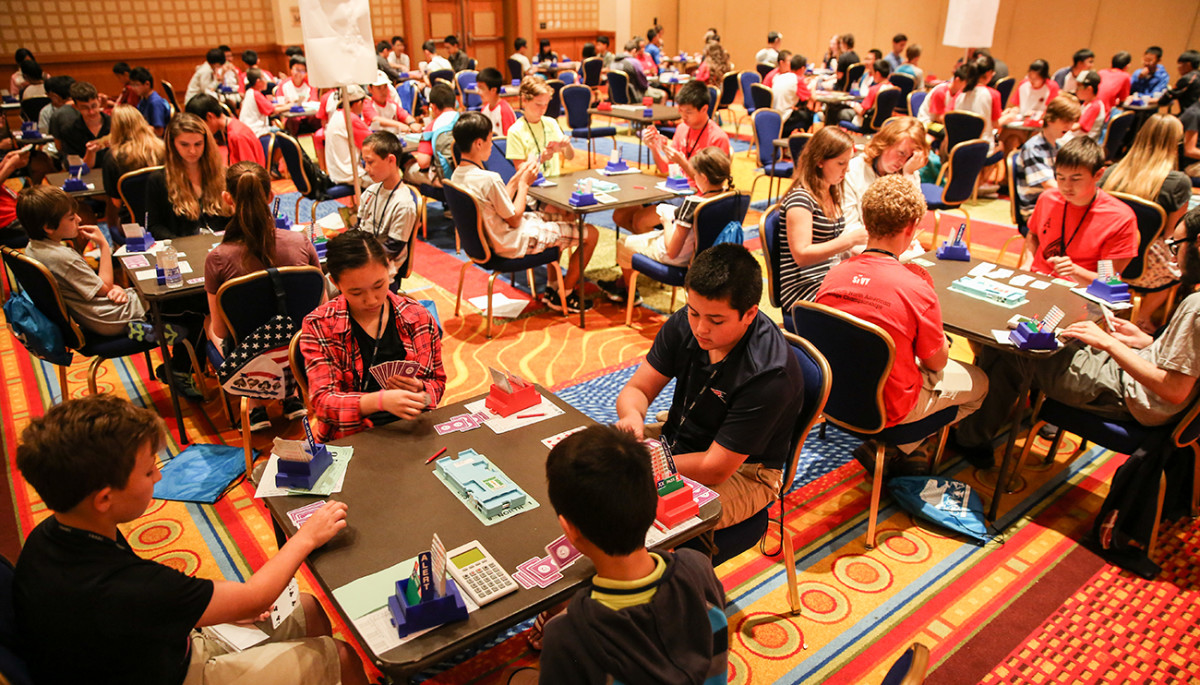
Bridge is often considered one of the most intellectually demanding card games ever created. Played in partnerships, it emphasizes communication, memory, and precise strategy.
Skill elements in bridge include:
- Advanced bidding systems
- Counting cards played
- Partner coordination
- Long-term planning across multiple hands
Unlike many card games, bridge removes most randomness through duplicate play, allowing skill to shine even more clearly.
Rummy (Including Gin Rummy)
Rummy-style games reward memory, hand management, and tactical discards. Skilled players track opponents’ picks and throws to anticipate winning combinations.
What makes rummy skill-based:
- Observing opponent behavior
- Managing deadwood efficiently
- Knowing when to knock or hold
- Calculated risk-taking
Luck influences early hands, but consistent winners rely on decision quality rather than favorable draws.
Blackjack
Blackjack stands apart from most casino games due to its mathematically optimal strategies. Players who follow correct decision charts significantly reduce the house edge.
Skill factors in blackjack include:
- Understanding basic strategy
- Card counting in favorable environments
- Bet sizing discipline
- Knowing when to deviate from standard play
While rules vary by table, knowledgeable players gain a measurable advantage over casual ones.
Hearts and Spades
These trick-taking games combine planning, memory, and timing. Winning consistently requires predicting card distributions and controlling the flow of tricks.
Why they reward skill:
- Strategic sacrifice of tricks
- Tracking played cards
- Partner coordination in team formats
- Endgame control
Randomness exists, but experienced players leverage information better than opponents.
Why Skill-Based Card Games Stay Popular
Skill-driven card games endure because they offer progression and mastery. Players improve through experience, study, and adaptation rather than waiting for luck to strike.
Key reasons for lasting appeal:
- Competitive depth
- Social interaction
- Mental challenge
- Fair long-term outcomes
- Replayability without repetition
These games reward thinking players who enjoy learning and refining strategy.
FAQ
Are card games more about luck or skill?
In the short term, luck affects outcomes, but over time, skill dominates in games like poker, bridge, and blackjack.
Can beginners compete in skill-based card games?
Yes, but beginners typically lose to experienced players until they learn strategies, probabilities, and opponent behavior.
Which card game has the least luck involved?
Bridge is often considered the least luck-dependent due to duplicate formats and deep strategic layers.
Is blackjack truly beatable with skill?
With correct strategy and favorable rules, skilled players can reduce or even overcome the house edge in some settings.
Do online card games require the same skills as live games?
Core skills remain the same, but online play emphasizes faster decision-making and pattern recognition over physical tells.
How long does it take to become good at skill-based card games?
Basic competence can develop quickly, but true mastery takes months or years of focused practice.
Are skill-based card games suitable for competitive play?
Yes, many are played professionally and competitively due to their fairness and emphasis on long-term performance.