

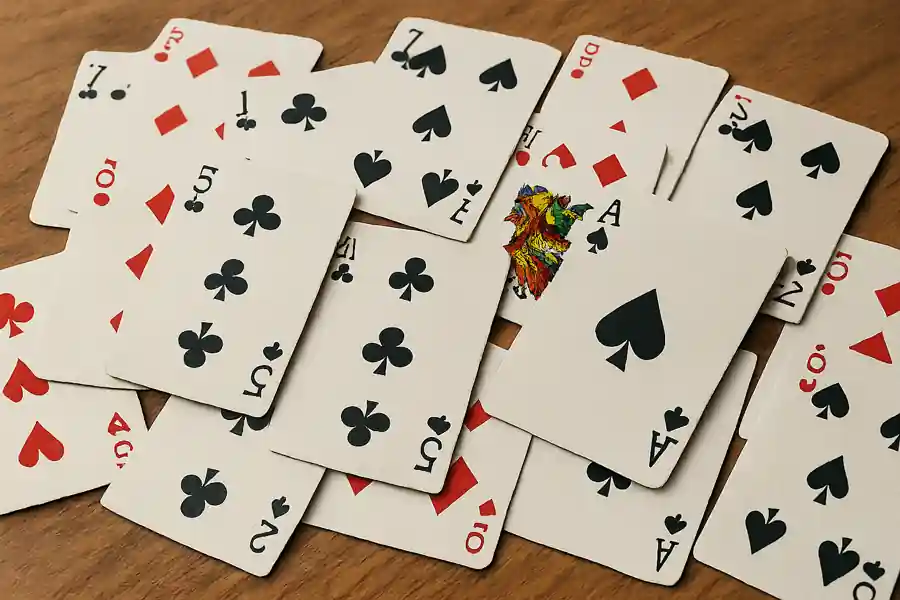
In an entertainment landscape dominated by cloud gaming, streaming algorithms, and persistent screen time, an unexpected medium has captured the attention and disposable income of modern audiences: printed cardboard. Collectible card games (CCGs)—once relegated to schoolyard lunch benches and dimly lit hobby shops—have surged into the mainstream cultural spotlight. Packed convention halls, record-breaking tournament circuits, and sold-out retail shelves demonstrate that the appeal of tactile cards is far from a nostalgic relic.
Today’s player base is broader and more diverse than at any prior point in the hobby’s history. From competitive digital natives seeking analog competition to working professionals searching for an engaging social outlet, millions of players are embracing the card table. The enduring and expanding appeal of collectible card games is not an accident of marketing; it is the direct result of a unique intersection between sensory satisfaction, rigorous strategic challenge, community building, and personal expression.
The Antidote to Digital Fatigue and the Power of the Third Place
A significant driver of the current card game renaissance is a widespread desire for genuine, offline connection. Modern work and leisure routines have become heavily mediated by screens, resulting in a collective sensory exhaustion. While online multiplayer video games provide instant matchmaking, they rarely replicate the organic camaraderie of sitting across a physical table from an opponent.
Physical card games provide an accessible, tactile third place—a community environment distinct from both the pressures of the workplace and the isolation of home. Local game stores host weekly draft leagues, casual open-play nights, and constructed tournaments that serve as vibrant neighborhood hubs. The simple physical rituals of the hobby—riffle shuffling a double-sleeved deck, laying down a playmat, tapping resources, and extending a handshake after a hard-fought match—ground players in the present moment in a way virtual lobbies cannot match.
Strategic Expression and Asymmetric Problem-Solving
At their core, collectible card games offer an intellectual depth that few other gaming formats achieve. Unlike traditional board games where every participant begins with identical pieces on an identical board, CCGs are defined by asymmetry and player agency.
Long before sitting down to play, a competitor spends hours analyzing deck construction, balancing card ratios, testing mana curves, and anticipating the competitive environment. Every deck operates as a personalized strategic statement, reflecting a player’s preferred temperament and tactical style:
- Aggressive archetypes appeal to players who favor rapid decision-making, direct pressure, and testing their opponent’s defensive preparation.
- Control and disruption strategies reward patient tacticians who excel at resource denial, threat mitigation, and navigating complex late-game scenarios.
- Engine-building combo decks attract analytical thinkers who treat their library as an intricate puzzle, assembling multi-card synergies to overturn the board in a single turn.
Because decks are randomized and card draws are inherently variable, no two matches unfold identically. Players must constantly weigh statistical probability against tactical intuition, adapting their game plans to unexpected disruptions and bluffing opponents. This delicate balance of intellectual mastery and variance provides an endlessly replayable challenge that keeps minds sharp.
Nostalgia, Pop Culture, and the Multigenerational Gateway
The collectible card game market has matured alongside its audience. Pioneers who learned titles like Magic: The Gathering or the Pokémon Trading Card Game in the late 1990s are now adults with independent careers, established incomes, and children of their own. This demographic shift has created a vibrant multigenerational bridge, with parents introducing their kids to games that shaped their own youth.
The Expansion of Mainstream Intellectual Properties
Historically, entering the CCG genre meant dedicating oneself to dense high-fantasy lore or niche sci-fi universes that carried high barriers to entry for newcomers. In recent years, publishers have democratized onboarding by integrating beloved global franchises into established rule sets:
- Disney Lorcana welcomed millions of casual gamers and families by transforming storied animated characters into ink-based tactical heroes with intuitive, welcoming mechanics.
- The One Piece Card Game leveraged an internationally celebrated manga and anime epic, drawing massive global interest with cinematic art treatments and aggressive, leader-focused gameplay.
- Crossover and licensed expansions have brought iconic properties—ranging from post-apocalyptic roleplaying worlds to sprawling cinematic universes—into established card game engines, offering pre-existing fans a natural point of entry.
By anchoring strategic card mechanics in universally recognized fictional universes, the industry has removed social stigmas and invited a much broader demographic to experience tabletop gaming for the first time.
Modern Aesthetics and the Psychology of the Pack
A card game is rarely just a game; it is also a curated art gallery held in the palm of your hand. Modern publishers have elevated manufacturing standards, turning trading cards into visually striking collector pieces that appeal directly to visual aesthetics and material pride.
The inclusion of full-art illustrations, textured foiling, alternate-frame treatments, and serialized prints has transformed pack opening into an event. The tactile thrill of cracking a foil booster pack remains an undeniably compelling sensory experience. Discovering a rare variant card delivers a burst of genuine excitement, and displaying that card inside a deck box or grading slab provides a quiet sense of personal accomplishment.
Crucially, the existence of a secondary market gives cards tangible, perceived value. When a player purchases a booster box or invests in a deck, they are acquiring physical assets that retain liquidity and utility within a passionate global community. Knowing that cards can be traded, sold, or passed along preserves a sense of ownership that purely digital microtransactions in video games simply cannot offer.
The Symbiotic Balance of Digital Platforms and Physical Tables
It was once feared that digital card games would render physical cards obsolete. In practice, the opposite has occurred: digital platforms have become the most effective marketing funnels and training grounds for physical play.
Official digital clients allow newcomers to learn foundational rules, practice resource management, and test experimental card combinations against automated systems without the intimidation of a live tournament room. Players can log in for fifteen minutes to refine their technical timing and memorize card interactions at zero cost.
Rather than replacing physical tournaments, digital mastery fuels a desire to test those skills in the real world. A player who climbs the digital ranks on a mobile phone during a weekday commute often feels inspired to purchase physical sleeves, assemble the cardboard equivalent on the weekend, and compete at their local shop. Digital accessibility feeds the physical community, creating a self-sustaining ecosystem where both formats reinforce one another.
The resurgence of collectible card games reflects a broader cultural desire to reclaim tangible hobbies that stimulate the mind, spark social connection, and celebrate creative craftsmanship. By balancing rich strategic problem-solving with the simple joy of gathering around a shared table, card games have secured their place as one of the most resilient and compelling pastimes of modern life.